
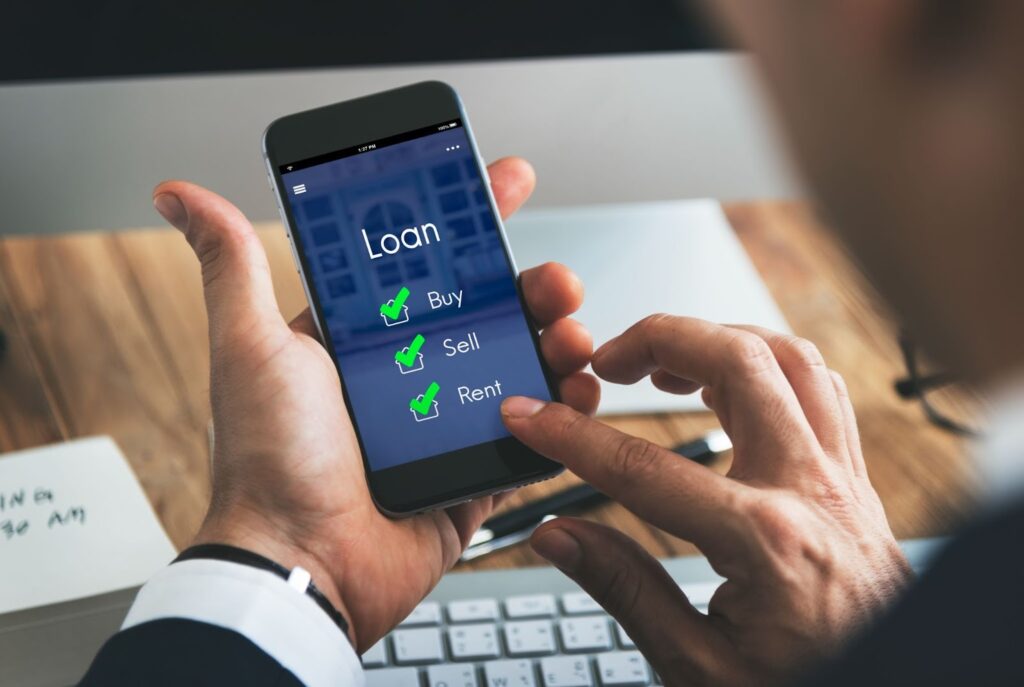
In recent years, the financial landscape in India has witnessed a significant transformation. As technology continues to permeate every facet of our daily lives, traditional borrowing methods are giving way to more flexible, app-based credit options. This shift is particularly evident with the increasing popularity of various loan applications, including those offering gold loans. As consumers become more tech-savvy, they are gravitating towards these convenient, user-friendly solutions. This article will explore the nuances of modern borrowing trends, especially the rise of app-based credit choices, and what this means for the average Indian consumer.
The Digital Financial Revolution
The digital revolution has reshaped how financial services are consumed globally, and India is no exception. With a burgeoning middle class and increased internet penetration, Indian consumers are increasingly relying on digital platforms for everything, from shopping to banking. The emergence of app-based credit options can be seen as a natural progression of this trend.
Traditionally, obtaining a loan in India involved a lengthy process, replete with physical documentation and in-person bank visits. However, with the advent of mobile applications, the process has been significantly streamlined. Whether it’s a personal loan or a gold loan, an app can now provide instant approval, often within minutes. This shift is not just about convenience; it’s about meeting the evolving demands of the contemporary consumer.
Factors Driving the Shift
Several key factors are contributing to the rise of app-based credit solutions:
- Convenience and Accessibility: Mobile apps allow users to apply for loans anytime, anywhere. This eliminates the need for multiple bank visits and reduces paperwork, making the process more efficient and appealing.
- Tailored Solutions: Financial apps offer personalised recommendations, adjusting credit options based on the user’s financial history and requirements. This level of personalisation was seldom possible with traditional banking methods.
- Technological Advancements: With the integration of AI and machine learning, these platforms can assess credit risk more accurately and efficiently. This not only speeds up the approval process but also empowers users with quicker decisions.
- Growing Smartphone Penetration: India’s smartphone market is one of the fastest-growing in the world. With increasing affordability, more individuals now have access to these platforms, equipping them with financial tools at their fingertips.
- Demonetisation and Digital India Initiative: Government efforts to promote cashless transactions have further fuelled the adoption of digital financial services.
Understanding App-Based Loan Options
Amongst the myriad app-based loans available today, gold loans hold a prominent position. But why the sudden intrigue in the gold loan app?
Gold Loans: A Timeless Option Meets Modern Convenience
Gold has always held a special place in Indian households, symbolising wealth and security. Traditionally, gold loans involved pledging jewellery to a lender in exchange for cash. Today, the process has been revolutionised with the emergence of gold loan apps.
These apps offer a seamless experience, allowing users to apply for a loan with a few taps on their mobile phones. The loan-to-value ratio offered in such apps is competitive, often funding up to 75% of the gold’s market value. Instant appraisals and doorstep service make the process even more attractive.
Types of App-Based Loans Available
Apart from gold loans, several other app-based credit options are gaining traction:
- Personal Loans: These are unsecured loans that require no collateral and can be used for a variety of needs, from home renovation to medical emergencies. They offer flexibility and are typically disbursed quickly.
- Payday Loans: Intended for short-term borrowing, these loans help tide over cash crunches until the next payday. They are known for their high APRs, necessitating careful consideration.
- Education Loans: Specialised apps are now offering student loans to ease the financial burden of education, complete with flexible repayment options.
- Small Business Loans: These apps provide crucial capital support to entrepreneurs, allowing them to expand operations or manage cash flow challenges with suitable loan plans.
The Pros and Cons of App-Based Credit
App-based lending is not without its pros and cons. Understanding these will help consumers make informed financial choices.
The Advantages
- Speed and Efficiency: With minimal paperwork and digital verification, app-based loans offer swifter processing. This is especially beneficial during emergencies.
- Transparency: Users can easily compare interest rates, processing fees, and other charges, ensuring a transparent borrowing experience.
- Better Credit Access: Even those with limited credit history can access loan facilities, thanks to alternative credit scoring models employed by these apps.
The Potential Pitfalls
- Privacy Concerns: The digital nature of these apps means personal and financial data safety is paramount. Consumers must ensure they are using secure platforms as data breaches can occur.
- Interest Rates: Sometimes, the convenience of securing a quick loan comes with higher interest rates compared to traditional options. It’s essential to evaluate terms carefully.
- Over-borrowing Risk: Easy access can lead to over-borrowing, which might result in financial strain. Users must practice financial prudence.
The Road Ahead: What Does the Future Hold?
The future of borrowing in India is undoubtedly digital. With ever-evolving technologies, financial services will likely become more integrated with AI-driven insights and blockchain security measures. Moreover, as more fintech companies enter the market, competition will spur better services and lower costs for consumers.
The government’s push towards a digital economy will play a critical role in this transformation. By creating a robust regulatory framework, it can ensure these app-based services remain fair and accessible, promoting financial inclusivity for all Indians.
Real-World Impact and Reflection
Taking a leaf from real-world scenarios, consider Mr Amit, a young professional living in Bangalore. Due to an unforeseen medical emergency, he needed immediate funds. Instead of navigating the bureaucratic maze of traditional banking, Amit opted for an app-based personal loan. The instant approval and competitive rate not only alleviated his financial stress but also provided a glimpse into the future of borrowing.
Such experiences highlight the transformative potential of these digital solutions, empowering individuals across India to manage their financial needs more efficiently.
Conclusion: Embracing Digital Borrowing
In conclusion, the rise of app-based credit choices reflects the evolving financial landscape and consumer preferences in India. As people seek more convenient, transparent, and personalised financial services, apps are poised to become the cornerstone of modern borrowing. However, as with any financial decision, it is crucial for consumers to remain informed, comparing options and understanding terms to make prudent choices. As technology continues to advance, embracing these digital solutions could very well be the key to unlocking financial ease and inclusivity in the future.
The digital age has dawned upon the world of finance; it’s time we embrace it with open arms and judicious minds.